Captain's Log: Stardate 2026.04.16. On the patient work of building a house for the past.
Pure Memory
While we often talk about the tools of the future—AI, neural networks, and digital bridges—there is a part of our studio that belongs entirely to the human act of remembering. In our side project, roliminal, we step away from the generative algorithms to engage in meticulous, manually directed audio editing.
Here, we don't use AI. We use our own memories. We use the collective fragments of a team that grew up in the shifting landscapes of Romania in the late 90s and 2000s.
Reconstructing the Atmosphere
To recreate a memory is not about a high-fidelity recording of an event. It is about capturing the muffled truth of a moment. It’s the sound of history passing through a wall.
On the roliminal channel, we build specific acoustic scenarios that act as palliatives for insomniacs. These aren't just soundscapes; they are directed stories:
- The 2004 Debate: That specific feeling of being tucked into bed while the muffled, urgent voices of Băsescu and Năstase drift from a CRT television in the next room.
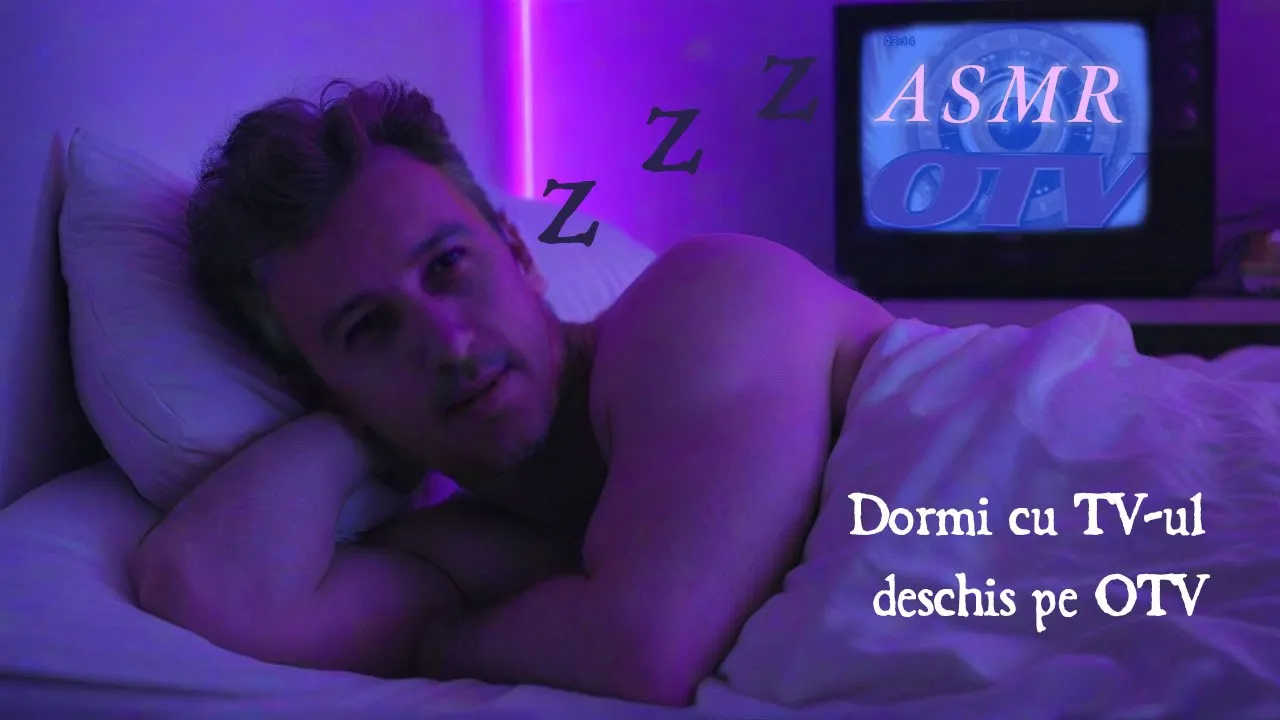
- OTV at Grandma’s: The rhythmic ticking of a wall clock in an old apartment, punctuated by the surreal, high-pitched energy of Dan Diaconescu on a 2008 broadcast.
- The Truck Cabin: The low-frequency drone of a TIR engine at 4 AM, the vibration of the seat, and the road noise as a college student commutes to a new life in the city.
The Pulse of the Palliative
There is a reason these soundscapes resonate so deeply now. They bring back a certain "pandemic vibe"—a echoes of that period when the world went quiet, and we were all trapped in the architecture of our own rooms, forced to listen to the distant sounds of a world we couldn't touch. In that stillness, our memories became our only scenery.
We see roliminal as more than just a digital archive. We are currently developing it into a live concept: the Silent Sleep Party. It's an experiment in collective rest—a space where people can gather, put on headphones, and drift together through these shared atmospheric anchors.
And in our more whimsical moments, we secretly wish IKEA would notice. We imagine these soundscapes playing softly in their room presentations—not as generic background noise, but as a way to give their furniture a soul, a history, and a memory of a Tuesday night in 2005.
The Craftsmanship of the "Muffled"
The production of these episodes requires a different kind of discipline. It involves advanced acoustic modeling—using low-pass filters and complex reverb to simulate how sound behaves in a car cabin or behind a bathroom tile during a high school prom.
We read the comments on these videos, and we see the impact. People talk about "fiori" (chills) and a sense of "core memories" being unlocked. They recognize the specific high-frequency hum of an old TV or the precise rhythm of a radiator. This isn't just audio; it’s a shared sensory language.
A Witness to the Gaps
By focusing on these "liminal" spaces—the moments between the big events—we are acting as witnesses to our own lives. We find that the most powerful way to use our expertise in directing and editing is to close the gap between the person we were then and the person we are now.
It is a reminder that even in a world filled with digital acceleration, the most profound artifacts we can create are the ones that simply help us feel at home again.